Pillow for Brain Health: Debunking Dementia Claims & Glymphatic Facts
Headlines claim pillows 'clean' your brain overnight to prevent dementia via the glymphatic system but what does real research say? Explore sleep position evidence, realistic pillow benefits, and proven brain health habits
SPECIAL EDITION
Can a Pillow Really Influence Brain Health?
Special Edition 1
From time to time, headlines appear claiming that a particular pillow can dramatically “clean” the brain or even prevent dementia. These promises can sound hopeful especially for those who care deeply about brain health yet they often blur the line between genuine science and marketing.
At KraftWald, we believe calm understanding matters. Let’s explore what research actually shows about pillow brain health, the glymphatic system, and realistic ways to support your brain during sleep.
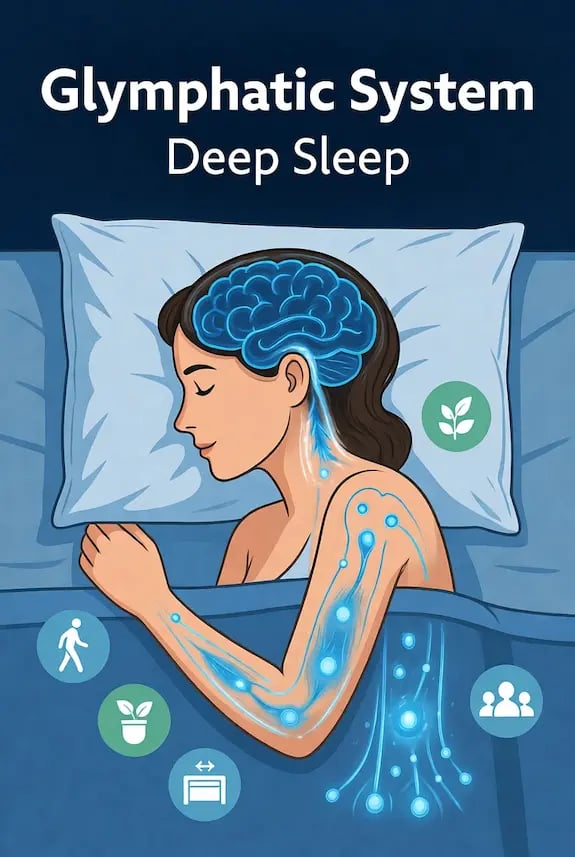
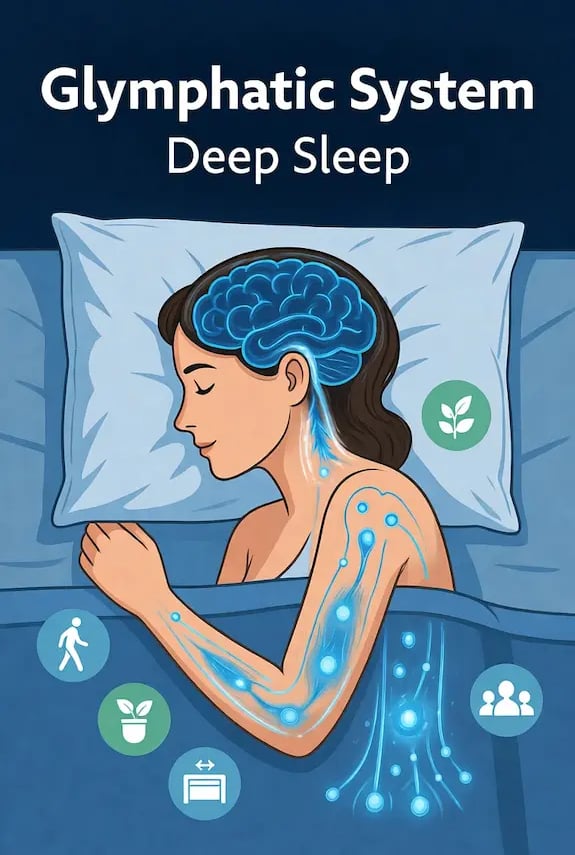
The Brain’s Nightly Cleaning Process: Glymphatic System and Sleep
During deep sleep, the brain activates what researchers call the glymphatic system a natural process that helps flush out metabolic waste products, including proteins linked to Alzheimer’s disease.
This system is scientifically recognised and works most effectively during deep, uninterrupted sleep.
What science supports:
✔ The glymphatic system exists
✔ Deep sleep plays an essential role in brain maintenance
What has not been proven:
✖ That a specific pillow or head angle significantly boosts this process
✖ That any pillow can prevent dementia or cognitive decline
Sleep supports the brain quietly and gradually not through shortcuts or gimmicks. For a broader understanding of how the brain changes over time, see Post 6: What Is Dementia? Understanding Brain Changes & Common Types.
Does Head Position Matter for Brain Health?
Some animal studies suggest side sleeping may support brain waste clearance. Human studies are limited, and evidence is inconclusive.
Currently, there is no reliable proof that a pillow designed for a precise head angle or a specific sleep position prevents dementia or measurably improves brain health.
Sleep position still matters for comfort and posture, but expectations for brain detox effects should be realistic.
What Pillows Can Genuinely Offer for Better Sleep
Even if pillows cannot directly influence the glymphatic system, choosing the right pillow can support better sleep quality, which indirectly benefits brain health.
Realistic benefits include:
✔ Support for neck and spine – encourages natural posture and may reduce morning tension
✔ Pressure relief – contoured or memory-foam pillows distribute weight evenly
✔ Improved sleep comfort – comfort helps you stay asleep longer and more peacefully
✔ Easier breathing – gentle support may help with mild snoring or airway openness
Comfortable, supported sleep helps the body achieve restorative deep sleep which naturally supports the brain.
Reading Marketing Claims with Care
Bold headlines or promises can be misleading. Common red flags include:
Dramatic percentages like “280% increased brain cleansing”
Emotional testimonials presented as proof
Fear-based language (“Protect your brain before it’s too late”)
Artificial urgency (“Limited supply” or “Only today”)
If a claim feels too certain or exaggerated, it likely goes beyond the evidence. Calm understanding is more helpful than fear, a principle also explored in Post 9: Communication in Dementia – With Heart, Not Facts.
Supporting Brain Health in Real, Sustainable Ways (Beyond Pillows)
No pillow can prevent dementia. But there are gentle, evidence-informed ways to care for your brain over time.
Sleep: A Quiet Foundation
Regular duration: 7–8 hours per night
Deep sleep support: calm evenings, dim lighting, steady routines
Persistent sleep issues: snoring, frequent waking, or fatigue may require medical attention
Lifestyle Factors That Truly Matter
Movement – daily walks or gentle exercise support circulation and brain function
Nutrition – Mediterranean-style eating nourishes the brain naturally
Mental engagement – reading, puzzles, or learning new skills
Social connection – conversation and shared moments protect cognitive health
Choosing a Pillow with the Right Expectations
Pick a pillow that suits your sleep style
Aim for natural head and neck alignment
Prioritise comfort and restfulness
Comfortable sleep indirectly supports brain maintenance, including glymphatic function.
FAQ: Pillow Brain Health & Glymphatic System
Q1: Does side sleeping improve brain waste clearance?
Side sleeping may help, but human evidence is limited. Comfort and consistent sleep are more important.
Q2: Can pillows prevent Alzheimer’s or dementia?
No. No pillow has been shown to prevent cognitive decline.
Q3: What really supports the glymphatic system?
Consistent deep sleep, stress management, physical activity, and good overall health.
Q4: Can pillow type affect brain cleansing during sleep?
Not directly. Supportive pillows improve comfort, which helps deep sleep and deep sleep naturally supports glymphatic function.
Q5: Are there lifestyle habits that enhance glymphatic clearance?
Yes, exercise, mental engagement, hydration, and healthy sleep routines are most effective.
Q6: What if I snore or have sleep apnea?
These conditions can impair glymphatic clearance. Medical assessment and treatment are recommended.
In Summary
What research supports:
✔ Sleep quality is important for brain health
✔ The brain clears waste during deep sleep
✔ Comfort can improve sleep continuity
What research does not support:
✖ Pillows preventing dementia
✖ Extreme “brain cleansing” claims
✖ Reversing cognitive decline through sleep products
A supportive pillow enhances comfort that’s its true value.
Reading KraftWald as a Series
Each article is part of a connected journey. Posts are numbered and linked, allowing you to move forward, step back, or explore at your own pace.
Start here with Post 1 and continue chapter by chapter, or browse the overview page to select posts that interest you most.
References & Further Reading
Written by the KraftWald team, drawing on peer-reviewed research in sleep, neurology, and lifestyle science.