Sleep Issues in Dementia: Gentle Nighttime Strategies for Caregivers
Discover practical, gentle ways to support restful sleep for people with dementia. Tips include evening routines, light therapy, movement, nutrition, and safe nighttime care.
UNDERSTANDING DEMENTIA
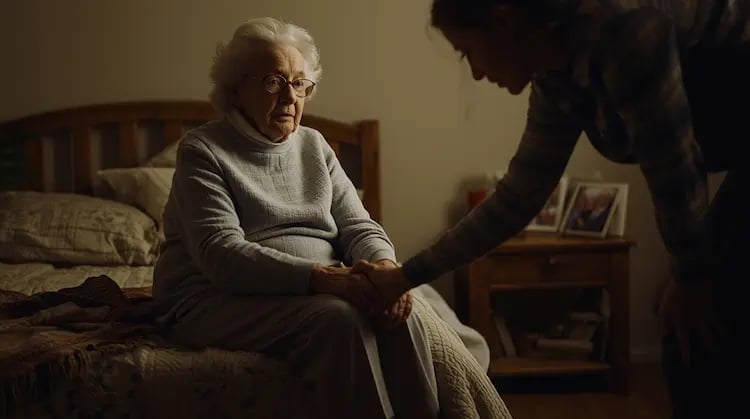
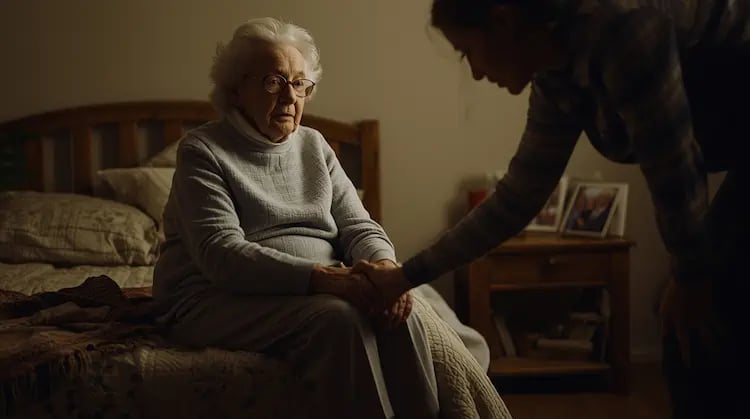
Sleep Issues in Dementia: Gentle Ways Through Interrupted Nights
Post 18
Important note: This article does not replace medical advice. For health concerns, please consult your doctor or pharmacist.
🌙 When the night doesn't bring rest
Night falls but sleep stays away. Waking up, restlessness, disorientation: Sleep problems in dementia are common and especially hard for the person affected and for family caregivers.
You may have experienced restless hands at night, or how a familiar song brings calm. These small moments often become soft lights in restless nights 💚.
Sleep can't be forced but it can be gently invited, accompanied, and eased.
🌿 Why sleep changes in dementia
The brain struggles to filter impressions and daily structure. Day and night blur; orientation fades.
Neurobiological changes
In dementia, the inner clock (circadian rhythm) is disrupted:
The suprachiasmatic nucleus (SCN) our "sleep center" is damaged
Melatonin production decreases (the hormone that makes us sleepy)
Day-night distinction fades
REM sleep fragments dreams can blend with reality
Common symptoms
Difficulty falling asleep 😴 lying awake for hours
Frequent night waking often disoriented
Fragmented sleep no deep phases
Reversed day-night rhythm awake at night, tired by day
Sundowning increased activity evenings/nights
Nightmares or confusion reality and dreams mix
How common?
Studies show 60–80% of people with dementia experience sleep issues. This means:
You're not alone
It's a normal part of many dementia journeys
Many gentle approaches are proven and helpful
Why it happens
Physical causes
Unexpressed pain
Urge to urinate or incontinence
Medication side effects
Sleep apnea (often unnoticed in older adults)
Restless legs syndrome
Psychological causes
Anxiety, uncertainty
Depression (common and often overlooked in dementia)
Loneliness
Daytime overstimulation
Environmental causes
Too much light or noise
Uncomfortable bedding
Room too warm/cold
Unfamiliar surroundings
It's not "bad behavior" it's a sign of inner uncertainty and exhaustion.
🌿 Gentle companionship: what really helps
Introduce rituals
Routines act as small anchors: tea at the usual time, favorite music, hand-washing before bed, familiar blanket ready.
Build a calm evening routine
18:00–19:00 Quiet transition
End activities
Dim lights slowly
Turn off TV/radio
Soft familiar music in background
19:00–20:00 - Dinner & hygiene
Light meal
Hand-washing ritual
Gentle indoor/outdoor walk if possible
Toilet visit
20:00–21:00 - Preparation
Comfortable nightwear
Place familiar items
Air room, check temperature
Turn on soft nightlight|
21:00 - Bedtime
Same time every night
Familiar phrase: “Now it's bedtime”
Hold hand or gentle touch
Stay quietly present
Key:
No long explanations needed
Repetition builds security
Familiar physical closeness works quietly and strongly
Keep the environment familiar 🕯️
Lighting|
Dim gently (not suddenly)
Warm white, soft light
Nightlight in hallway/bathroom
No blue screens (phone, TV) before bed
Room setup
Tidy and consistent
Familiar bedside items
Favorite blanket or pillow
Photos of loved ones
Comfortable temperature (16–18°C ideal)
Reduce sensory input
Soft nature sounds (rain, ocean) instead of total silence
Lavender or chamomile scent (if familiar)
No ticking clocks
Blackout curtains (but not pitch dark)
Offer quiet presence
Physical closeness
Hold hands, gentle stroking
Short hand massage with lavender oil
Light back tapping (soothing rhythm)
Sit nearby without pressure
Calming words
Soft, simple sentences: “You're not alone. I'm here.”
Repeating: “All is well. It's night. We're sleeping now.”
No fact debates (“It's 3 a.m., you must sleep”)
Eye contact, silence, safety
Calm facial expression
Slow movements
No rushing energy
Slow your own breathing (it's contagious)
Small steps without pressure
For night waking:
Don't rush back to bed
Allow brief standing
Gentle stretching or hand movements
Offer toilet
Small sip of water
Then gently guide back
During day:
No demanding tasks in evening
Everything slow, no hurry or force
Last activating activity by 5 p.m.
🌿 Practical ideas for day, evening, and night
Daytime ☀️
Light and movement help separate day from night:
Morning: Open curtains immediately, use daylight
Forenoon: If possible, 30 min outdoors (walk, garden)
Midday: Bright light at meals
Afternoon: Wakeful activities (see Post 4: Creative Activities)
Fixed routines for orientation:
Meals at same times
Regular toilet visits
Short activity phases
Allow short rests - but limit:
Nap max 30 min
Not after 3 p.m.
Not in darkened room
Better sitting in chair than bed
Evening 🌙
Reduce stimulation:
From 6 p.m.: No exciting activities
TV/radio low or off
Avoid visitors
End phone calls
Calm voice:
Speak slower
Deeper tone
Fewer words
More pauses
Repeat rituals:
Same sequence nightly
Same words at each step
Same music/sounds
Familiar items:
Favorite cup for evening tea
Usual slippers
Familiar blanket
Bedside photos
Gentle closeness:
Wash hands together
Short massage
Stand at window together
Hold hand while brushing teeth
Night 🛏️
When waking: Stay calm- your steadiness helps:
No startling or scolding
Breathe deeply
Respond slowly
Soft words, short sentences:
“It's night.”
“Time to sleep.”
“I'm here.”
“You're safe.”
Offer closeness- no debate:
|Don't discuss time
Don't explain why it's night
Just be present
Small gestures:
Hold hands
Gentle back tapping
Short stretches if restless
Toilet offer
Sip of water
For wandering/restlessness:
Don't block or restrain
Walk along, gently guide toward bed
“Come, let's look quickly...” then back
Place familiar object in hand
🌿 Light therapy: the power of daylight
Studies show morning bright light stabilizes sleep-wake rhythm.
How it works
Daylight suppresses melatonin (sleep hormone) during day
Evening melatonin rises naturally
Body learns: Light = awake, dark = sleep
Evidence
Recent reviews (including 2025 meta-analyses) show light therapy improves sleep parameters, reduces depression, agitation, and supports cognition in dementia, often with small-to-medium effects, especially twice-daily exposure.
Practical
Morning (7–9 a.m.):
Open curtains immediately
30 min outdoors if possible
Or use light therapy lamp (10,000 lux)
Sit at window for breakfast
Daytime: Keep rooms bright, regular natural light, no indoor sunglasses
Evening (from 6 p.m.): Dim lights, warm white bulbs, no screens, candlelight or salt lamp
Light lamps
Special daylight lamps (10,000 lux) help, especially winter:
30 min morning
~50 cm distance
Don't stare directly
Best during breakfast
Caution: Check with doctor for eye/skin issues!
Examples: Beurer TL 30 (~€40), Philips EnergyUp (~€120), Medisana LT 460 (~€50)
🌿 Movement as sleep support
Physical activity promotes sleep but time it right.
Evidence
Studies show 30 min moderate movement forenoon improves deep sleep phases up to 65% in dementia.
Ideal: Forenoon/midday
Walk (20–30 min)
Light gardening
Simple movement games
Dancing to music
Afternoon (to 5 p.m.) okay for calmer activities
Evening avoid strenuous; only very gentle
More ideas: Post 3 – Movement in Dementia
💊 Medications and sleep
Sleep aids with caution
Why caution:
Higher fall risk (3–4x)
Increased next-day confusion
Habituation after 2–4 weeks
Interactions
Possible paradoxical unrest
If considered: Doctor-prescribed only, lowest dose, shortest time (max 2 weeks), regular review.
Problematic in dementia: Benzodiazepines (e.g., lorazepam, diazepam), Z-drugs (zolpidem, zopiclone), antihistamines (diphenhydramine).
Melatonin: a gentler option?
Mixed evidence in dementia: Some studies show rhythm stabilization, reduced latency/transitions (especially early stages); others limited/no effect. Recent 2025 reviews suggest benefits for MCI/cognitive impairment with specific timing/dosing, but AASM guidelines often recommend against routine use in elderly dementia due to inconsistent benefits and potential mood/daytime risks. Always doctor-guided (prescription >2mg in many places; low-dose sometimes OTC).
Medication review
Many drugs affect sleep:
Sleep-disrupting: Some dementia meds (cholinesterase inhibitors), beta-blockers, SSRIs, caffeine-painkillers, diuretics (better morning), cortisone.
Discuss with doctor: List meds/timings, optimize, alternatives? Bring list to appointment!
🌿 Nutrition and sleep
Evening choices influence sleep:
Supportive
Light meals (not late/heavy)
Last main meal: 6–7 p.m.
Warm milk with honey (tryptophan → melatonin)
Banana (magnesium relaxes)
Herbal teas (chamomile calming, valerian mild sleep aid, lemon balm anxiety-reducing)
Oats (complex carbs stabilize blood sugar, natural melatonin)
Cherries/sour cherry juice (natural melatonin)
Avoid evening
Caffeine (coffee, black tea, cola) after 2 p.m. (effects last 6+ hours)
Alcohol (helps fall asleep but fragments sleep)
Heavy/fatty foods
Large fluids (nighttime urgency)
Spicy foods (heartburn, circulation)
Timing: Last big meal by 6–7 p.m.; small snack ok 8–9 p.m.; last drink 1–2 hours before bed.
More: Post 17 – Nutrition in Dementia
📊 7-Day Sleep Challenge for Dementia
Try this structured trial:
Days 1–2: Light optimization
✅ Morning: Curtains open, 30 min outdoors
✅ Evening: Dim from 6 p.m.
✅ Note sleep
Days 3–4: Evening routine
✅ Fixed: 7 p.m. dinner, 8 p.m. prep, 9 p.m. bed
✅ Same sequence both nights
✅ Note less resistance?
Days 5–6: Add movement
✅ Forenoon: 20–30 min walk
✅ Afternoon: Calm activity
✅ Note evening tiredness?
Day 7: Combine all
✅ Light + routine + movement
✅ Add herbal tea 8 p.m.
✅ Note overall?
Download: 7-Day Sleep Tracker PDF (Coming Soon)
🛏️ Sleep aids vs. natural methods comparison
Method | Effect | Side effects | Cost | Recommendation
Light therapy | Good (up to 70% benefit) | None | €40–120 one-time | ⭐⭐⭐⭐⭐
Movement | Very good | None | Free | ⭐⭐⭐⭐⭐
Routine | Good | None | Free | ⭐⭐⭐⭐⭐
Herbal tea | Mild | None | €3–5/month | ⭐⭐⭐⭐
Melatonin | Mixed | Low | €15–30/month | ⭐⭐⭐ (doctor-guided)
Sleep meds | Short-term yes | High (falls!) | €10–40/month | ⭐ (emergency only)
Recommendation: Exhaust non-med options first!
❓ Frequently Asked Questions on Sleep Issues in Dementia
What if sleep still doesn't come?
Small rituals, gentle movements, familiar items help. Patience and presence matter more than reminders. If weeks persist: See doctor for treatable causes (pain, depression, meds) possible.
Can I prevent sleep issues?
Rarely fully, but day structure, light, movement, rituals prepare the body. Consistent routine often improves nights.
How to cope when I'm exhausted too?
Take breaks, use trusted support, build your own small rituals 💚. Your rest is care too. See Post 20: When Caregiving Steals Sleep.
Should I prevent daytime sleep?
Short rests (max 30 min before 3 p.m.) ok. Prioritize daylight, movement, light activities to make evening/night distinct. Forcing wakefulness often adds stress. (In practice, some people may struggle to stay awake due to medication or sedation. Forcing alertness can increase stress; gentle cues and flexible routines work better)
When seek medical help?
Persistent weeks-long poor sleep, extreme daytime fatigue, suspected apnea (snoring, pauses), strong unrest not improving, or caregiver at limit.
Could sleep apnea play a role?
Yes this is common in older adults, often missed. Signs: Loud snoring, breathing pauses (observed), daytime tiredness despite "sleep," morning headaches, night sweats. Tell doctor → sleep lab referral → CPAP can dramatically improve!
Do sleep meds help in dementia?
With great caution, doctor-prescribed only. They raise fall/confusion risk significantly. Often non-med methods safer/more effective.
What about herbal like valerian?
Mild help possible (valerian, hops, passionflower). Fewer side effects than meds, no addiction risk but weaker/individual. As tea/tablet.
Reversed day-night completely: what to do?
Morning: Immediate bright light, activating
Day: No/long naps (keep active)
Evening: Dark, calm, routine
Patience: May take 1–2 weeks to shift
If nothing helps, is professional care the answer?
If extreme (caregiver burnout, safety risks like wandering, unfixable causes): Night care or residential may be necessary and responsible its not failure.
🌿 When despite everything, sleep stays fragmented
Accept and adapt
Sometimes sleep remains broken. Then:
Release pressure (for both)
Redefine as "rest periods"
Quiet lying is restorative
Don't fight reality
New goal: Not 8 unbroken hours, but 6 with 2–3 breaks.
Ensure safety
For wandering:
Remove trip hazards (rugs, cables)
Nightlights everywhere
Door alerts (not locks but safety signals)
Warm clothes ready
Sensor mat at bed (alerts caregiver)
Tech options
Camera baby monitor
Motion sensors with soft alert
GPS bracelet if wandering risk
Seek professional support
Sleep lab for underlying issues
Sleep medicine specialist
Occupational therapy (structure, relaxation)
Day care (activity, caregiver relief)
Often covered/partly by insurance!
🌿 Real-life examples
Mrs. K., 79 - Reversed rhythm
Issue: Slept 4–5 hours day, wide awake/unrestful night.
Solution: Wake hourly day (no >20 min naps), 1 hr garden morning, light lamp breakfast, fixed 9 p.m. bed.
Result: After 10 days, 6–7 night hours (2 short wakes).
Mr. M., 81 - Night wandering
Issue: Up 3–4x nightly, wandering, searching "workshop."
Solution: Bed motion sensor (alerts wife), warm clothes ready, house nightlights, gentle redirect ("Let's look quick..."), more day walks.
Result: Wandering continued but safer; wife slept better with alerts.
Mrs. S., 84 - Med issue
Issue: Despite zolpidem, extreme night unrest/confusion.
Solution: Doctor consult → med caused paradoxical reaction; taper over 2 weeks; switch valerian tea, evening ritual, morning light.
Result: Better sleep without med after 3 weeks; less confusion.
Lesson: Sometimes meds cause the problem!
🌿 Connections to other challenges
Sleep links to:
Sundowning (evening unrest): Post 19 – Sundowning in Dementia
Caregiver exhaustion: Post 20 – When Caregiving Steals Sleep
Daily structure: Post 8 – Shaping Changes Gently
Nutrition: Post 17 – What Feels Good
Restlessness: Post 2 – From Restlessness to Calm
📥 Free downloads (Coming Soon, if you are reading this please send me a message to get priority)
7-Day Sleep Tracker: Log times, note helpers, spot patterns (Coming Soon)
Evening Routine Checklist: Step-by-step printable, tick off nightly
Medication Check List: List meds/timings for doctor
🛒 Helpful products as of January 2026
Light lamps: Beurer TL 30 (~€40), Philips EnergyUp (~€120), Medisana LT 460 (~€50)
Sleep aids: Lavender pillow, 6kg weighted blanket (calms unrest), motion-sensor nightlight (fall prevention)
Monitoring: Camera baby monitor, bed sensor mat, GPS bracelet
Note: As Amazon partner, we earn from qualified sales no extra cost to you.
🌿 A gentle close
Sleep can't be forced but nights can be held by calm, closeness, and dignity.
Every small act counts:
A tea 🍵
Holding a hand 🤲
A familiar song 🎵
Bright morning light ☀️
Gentle day movement 🚶
Evening rituals 🌙
Step by step, night by night, calm can grow for the person with dementia and for you.
You're not alone. Sleep issues are among dementia's biggest challenges and it's completely okay to seek help.
💚 Your patience is strength. Your presence is love. Your rest is care.
Important reminder: If sleep burdens you or your loved one long-term:
→ Talk to your doctor
→ Use relief services
→ Your health matters just as much
🔗 Forward/Back Navigation
👉 Next: Post 19 – Sundowning in Dementia: When Evenings Grow Heavy
👈 Back: Post 17 – Nutrition in Dementia: What Feels Good and Eases the Day