Movement and Personal Care in Dementia: Gentle Gestures for Calm and Dignity
Discover gentle movement and personal care ideas in dementia: small gestures like hand squeezes, indoor walks, and dignified routines that calm restlessness, honor autonomy, and bring connection. Practical tips for caregivers. 🌿
MOVEMENT AND MOBILITY
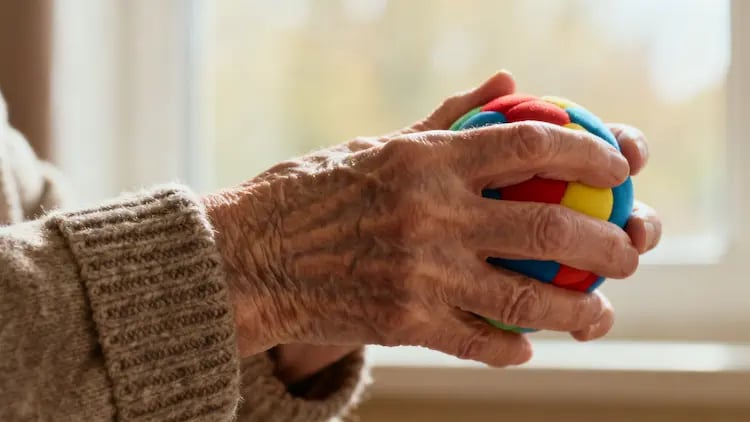
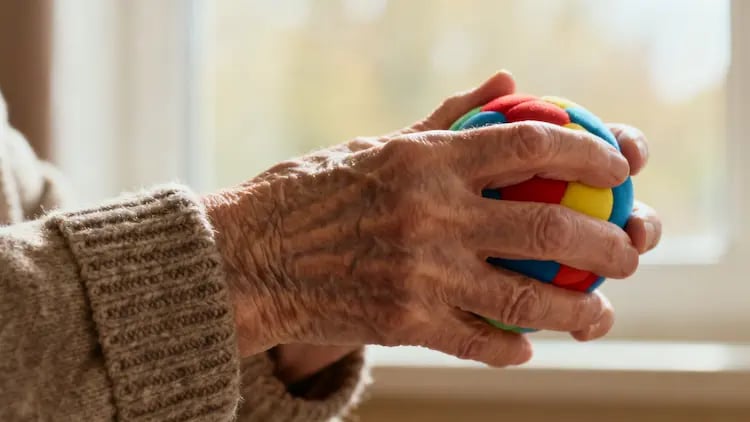
Movement and Personal Care in Dementia: When the Body Speaks Its Own Language
Post 12 🌿
Discover how tiny, everyday gestures from stretching fingers to gentle indoor walks can calm restlessness, restore connection, and honor dignity for someone living with dementia.
Caring for someone with dementia brings many quiet moments. Moments when movement becomes a form of language: a tapping of fingers, a gentle rocking of the body, or reaching for a familiar object.
These movements are never random. They tell stories of needs, of restlessness, of searching for grounding.
In this post, we explore how you can gently accompany small movements in everyday dementia care with dignity, without pressure, and with an eye for what truly matters.
🌿 Small Movements That Offer Grounding
Sometimes the tiniest gestures make the biggest difference:
Stretching the fingers
Rolling the shoulders
Gently opening and closing the hands
These subtle movements help release tension and bring someone back into their own body. For people with dementia, they are often a quiet path to self-regulation.
Why small movements matter so much: Even short periods of stillness can cause the sense of one's own body to fade. That feeling of disconnection can be unsettling and at night, it may lead to restlessness or sleeplessness.
Example: Holding a soft ball while listening to music gives the hands something to grasp. Restless energy finds an outlet and calm gradually returns.
🌿 Restless Hands: When Movement Soothes
Some people tap repeatedly on the table. Others fidget with clothing or trace invisible patterns with their fingers.
This isn't mere nervousness. It's self-soothing.
The deeper reason: People with dementia often seek sensory input through movement. They want to feel their body, touch objects, find orientation. This searching is a natural way to regain a sense of security.
Example: If your loved one keeps tapping the table, offer a smooth wooden block or a textured cloth instead. The soothing motion can continue safely and even creatively turning restlessness into a calm ritual.
Learn more about the power of hand activities in Post 2: From Restlessness to Calm.
🚶♂️ Walking Indoors: Safety and Joy
Walking is more than just movement it can invite curiosity and connection. Make paths safe and pleasant: clear of obstacles, non-slip shoes, slow and steady pace.
Example: Lay out a small rug or place plants along the hallway. As your loved one walks, they can discover or touch familiar things. A brief pause to look at a photo on the wall can turn the walk into a gentle, mindful activity full of small joys.
🧘 Gentle Exercises That Never Overwhelm
Structured workouts aren't always needed. Gentle routines at their own pace support circulation, mobility, and mood without any sense of obligation:
Seated stretches
Slow arm circles
Ankle rotations
Example: After breakfast, do simple hand or shoulder circles together. Keep it playful: “Let’s see who can do five slow arm circles!” The goal is comfort, closeness, and small wins not performance.
👕 Dressing Without Pressure: Simple Tips
Clothing can feel challenging for someone with dementia but it doesn't have to be stressful.
Practical strategies:
Organize clothes into ready-to-wear outfits
Use adaptive clothing with easy closures
Allow plenty of time no rushing
Undress and dress only the body parts being changed right now
Gently offer choices: “Would you like the blue sweater or the green one today?”
Refusal isn't failure. Pause the process and try again later this preserves their sense of autonomy.
🛁 Personal Care with Dignity
Personal care is intimate. Your loved one may feel embarrassed or experience it as an intrusion into their independence.
Compassionate approaches:
Speak calmly and gently
Show familiar washing items
Protect privacy close the bathroom door
Explain each step and demonstrate with gestures
Involve them wherever possible
Establish consistent routines rituals bring security
Often, less is more: Daily full washing isn't as important as preserving their dignity and self-determination in dementia care routines.
🏃♀️ Understanding Restless Movements
Fidgeting, wandering, or shifting positions often signals restlessness, curiosity, or unmet needs. Watch gently for clues:
Anxiety or excitement?
Seeking comfort or closeness?
Need for the toilet or relief from pain?
Example: In the morning, guide your loved one softly to a favorite window or chair and share something familiar. This offers gentle structure without limiting movement and helps them feel truly seen and supported.
🌟 In Closing: Small Movements, Deep Care
Movement is more than physical activity it honors autonomy, soothes emotions, and builds connection. Every small gesture, every patient walk, every unhurried care routine matters.
Remember: Offer choices, celebrate tiny successes these turn everyday actions into meaningful moments of care.
Have you found a small movement or ritual that brings calm for your loved one? Feel free to share in the comments below, or explore more hand-focused ideas in Post 2: From Restlessness to Calm. You're doing meaningful work step by gentle step. 🌿
🌿 Further Support
Consult doctors to clarify causes and adjust treatments
Self-help groups and exchange with other caregivers
Deutsche Alzheimer Gesellschaft – Counseling centers & self-help groups: https://www.deutsche-alzheimer.de/adressen
Wegweiser Demenz – Self-help groups and resources: https://www.wegweiser-demenz.de/wwd/alltag-und-pflege/beratung/selbsthilfegruppen
Relief options from long-term care insurance
Short-term care, respite care, relief amounts
Plan your own breaks - self-care isn't a luxury, it's essential
🔗 Forwards/Backwards
👉 Next: Post 13: Burnout in Family Caregivers – Warning Signs and Self-Care
👈 Previous: Post 11: Multilingual Dementia – Gently Supporting Multiple Languages