7 Easy Dementia-Friendly Recipes for Everyday Meals and Better Nutrition
Simple, nourishing dementia-friendly recipes using soft textures, finger foods, and familiar flavors to help with appetite loss, chewing, and swallowing. From mini sandwiches to creamy soups and energy smoothies gentle ideas for caregivers. 💚


7 Dementia-Friendly Recipes for Everyday Life
Post 22
Eating can become surprisingly complicated when someone is living with dementia.
Appetite fades. Taste changes. Chewing or swallowing may become harder. Meals that used to feel simple can suddenly feel stressful.
These seven recipes are designed to gently support those challenges. They’re simple, nourishing, familiar, and easy to eat — because when appetite is low, every bite truly counts.
This post complements Post 17: Nutrition in Dementia, where you’ll find more background and practical strategies around eating changes.
When Meals Become a Daily Challenge
Dementia-friendly meals should ideally be:
Easy to eat (finger foods or soft textures)
Nutrient-dense (small portions, real nourishment)
Visually appealing (color encourages appetite)
Easy to digest
Adaptable for swallowing difficulties (can be mashed or blended)
Let’s keep it practical.
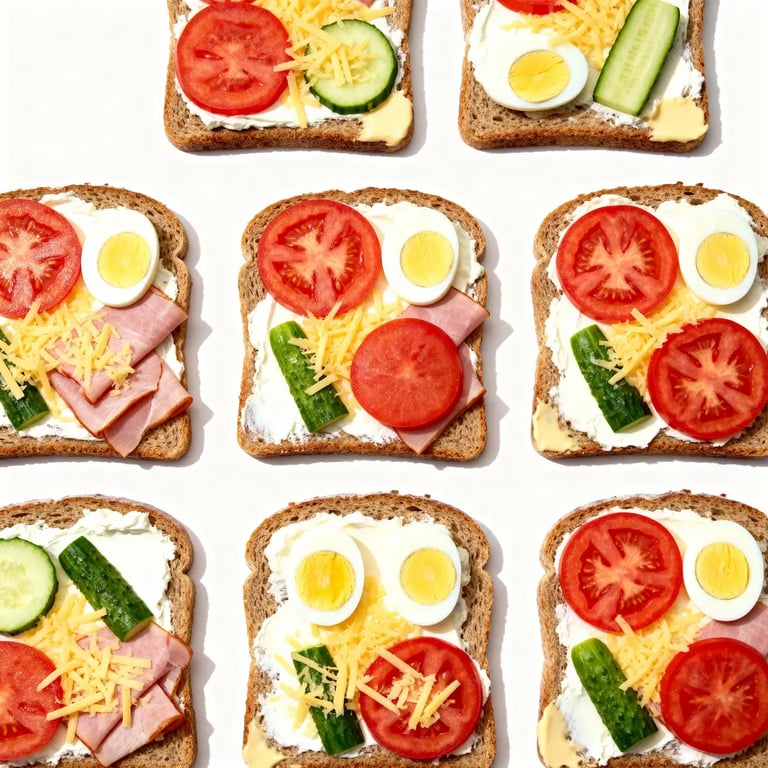
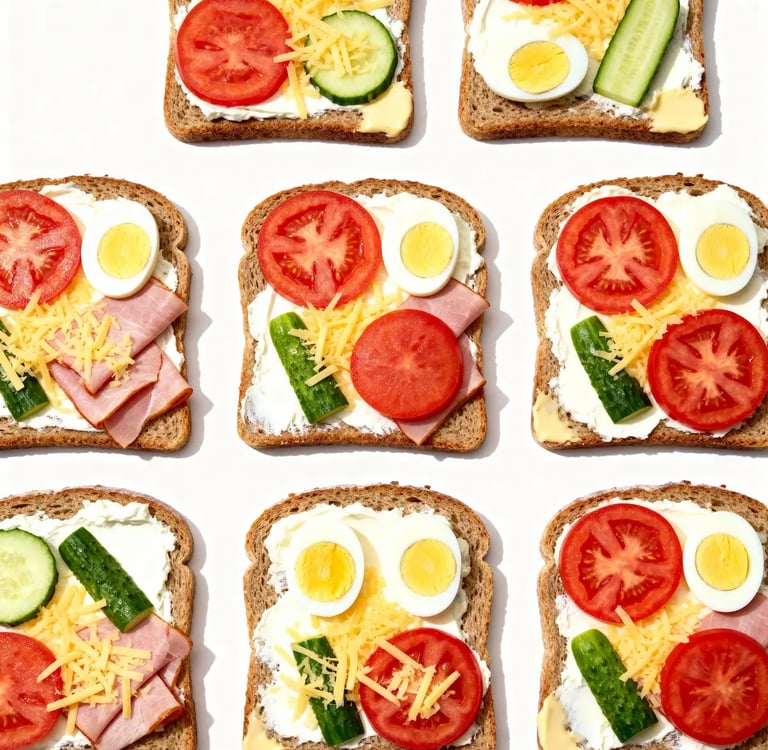
🥪 Recipe 1: Colorful Mini Sandwiches (Finger Food)
Why they work:
They’re easy to hold, colorful, and served in small pieces that don’t overwhelm.
Ingredients (serves 4)
8 slices whole-grain or white sandwich bread
7 oz (200 g) cream cheese
3–4 oz (100 g) cooked ham, thinly sliced
1 tomato, thinly sliced
½ cucumber, peeled and thinly sliced
2 hard-boiled eggs, sliced
½ cup (50 g) shredded cheese
Butter for spreading
How to make them
Lightly toast the bread (it’s easier to handle).
Spread with butter or cream cheese.
Top in simple color combinations:
Red: ham + tomato
Green: cucumber + cream cheese
Yellow: egg + cheese
Mixed: a little of everything
Remove crusts if chewing is difficult.
Cut into small triangles or squares.
Tip: Use a plate with contrast (light sandwiches on a darker plate). A little parsley or fresh herb on the side makes it more inviting.
For swallowing difficulties: Remove crusts and keep fillings thin and moist.
Sweet option: Banana with a thin layer of nut butter or jam.
🍲 Recipe 2: Creamy Potato & Carrot Soup (Great for Swallowing Difficulties)
Why it works:
Warm, soft, comforting — and often familiar from childhood.
Ingredients (serves 4)
1 lb (500 g) potatoes
10 oz (300 g) carrots
1 small onion
4 cups vegetable broth
¾ cup (200 ml) cream
2 tablespoons butter
Salt, nutmeg
How to make it
Peel and chop vegetables.
Sauté onion in butter.
Add potatoes and carrots.
Pour in broth.
Simmer 20–25 minutes until very soft.
Blend until smooth.
Stir in cream. Season gently.
Serve in a contrasting bowl so the color stands out.
Extra protein: Add a spoonful of Greek yogurt or a soft egg stirred in.
Freezer-friendly: Yes — freeze before adding cream.
🥔 Recipe 3: Soft Potato & Vegetable Skillet
Why it works:
Soft texture, familiar flavors, easy to eat with a fork.
Ingredients (serves 3)
1½ lb (600 g) potatoes
2 carrots
1 zucchini
1 cup peas
1 small onion
2 tablespoons oil
Optional: small handful diced bacon
Salt, pepper, fresh herbs
Cook potatoes until very soft.
Sauté vegetables gently until tender.
Combine everything and cook together for a few minutes.
Keep textures soft. Add a dollop of sour cream if extra moisture is needed.
For swallowing difficulties: Mash lightly or fully blend.
For extra protein: Stir in scrambled egg.
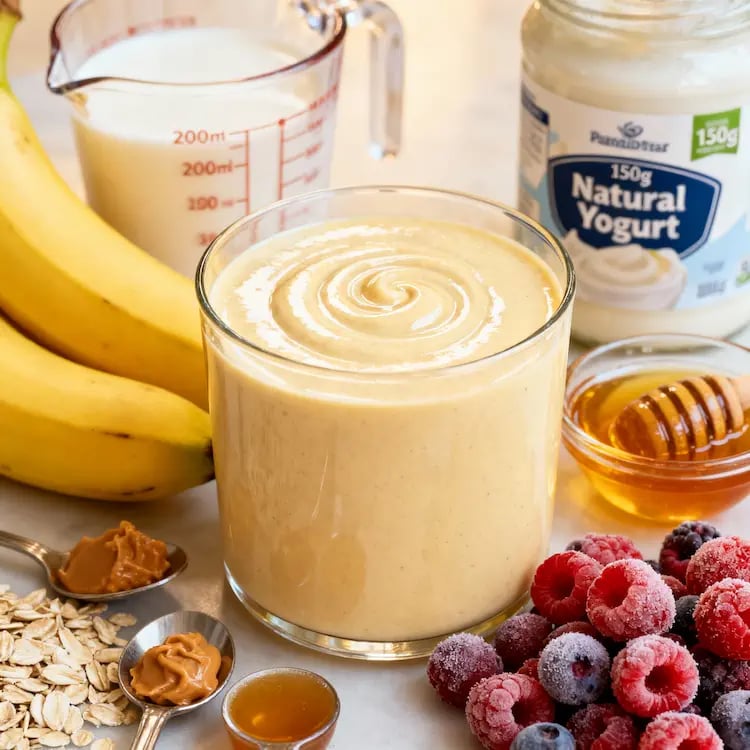
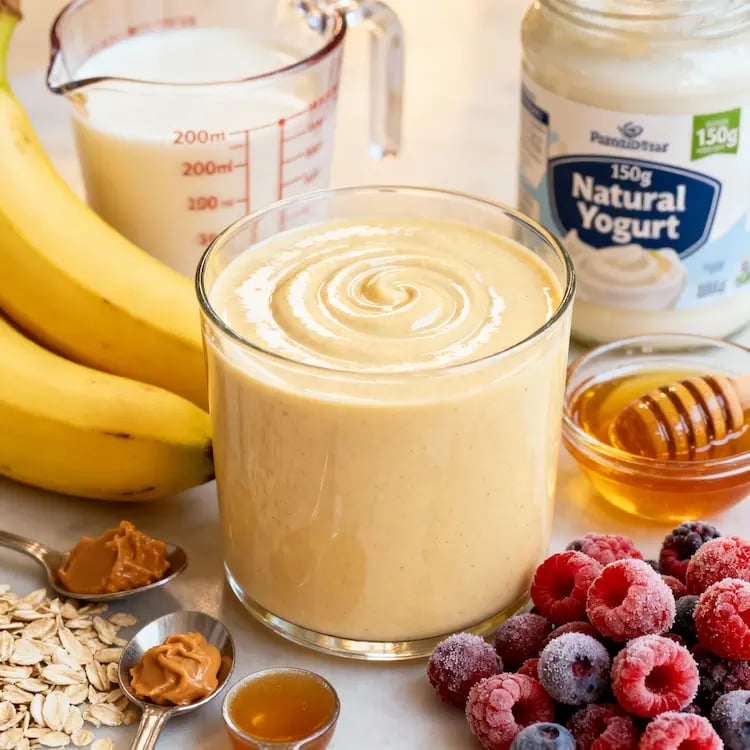
🍌 Recipe 4: Energy Smoothie (When Appetite Is Low)
Why it works:
A lot of nutrition in a small glass. Sweet flavors are often better accepted in dementia.
Ingredients (2 servings)
2 ripe bananas
1 cup whole milk (or oat milk)
¾ cup full-fat yogurt
2 tablespoons oats
1 tablespoon honey
1 teaspoon nut butter
Optional: handful of berries
Blend until smooth and creamy.
Serve in a bright cup with a wide straw. Not too cold.
If appetite is very low, offer small amounts every 1–2 hours rather than one large serving.
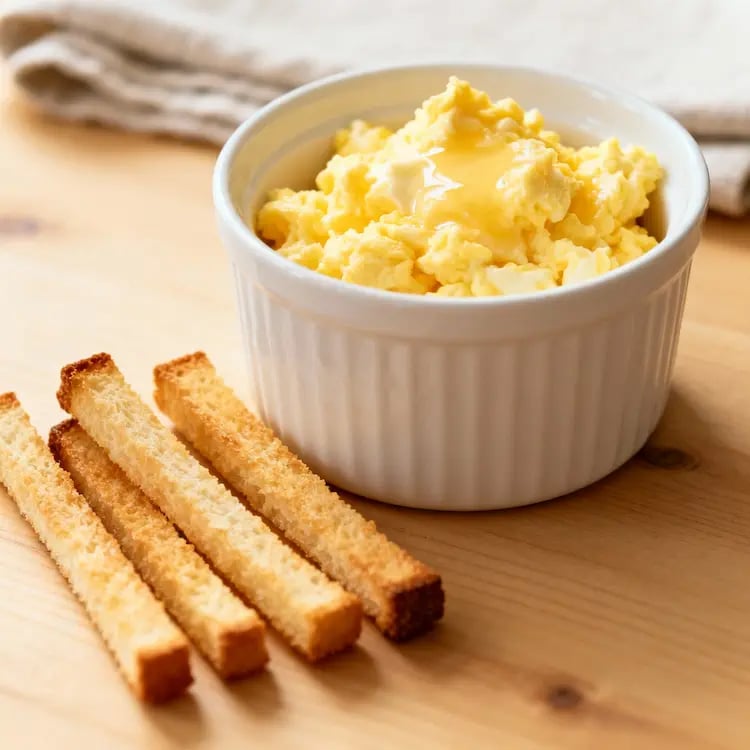
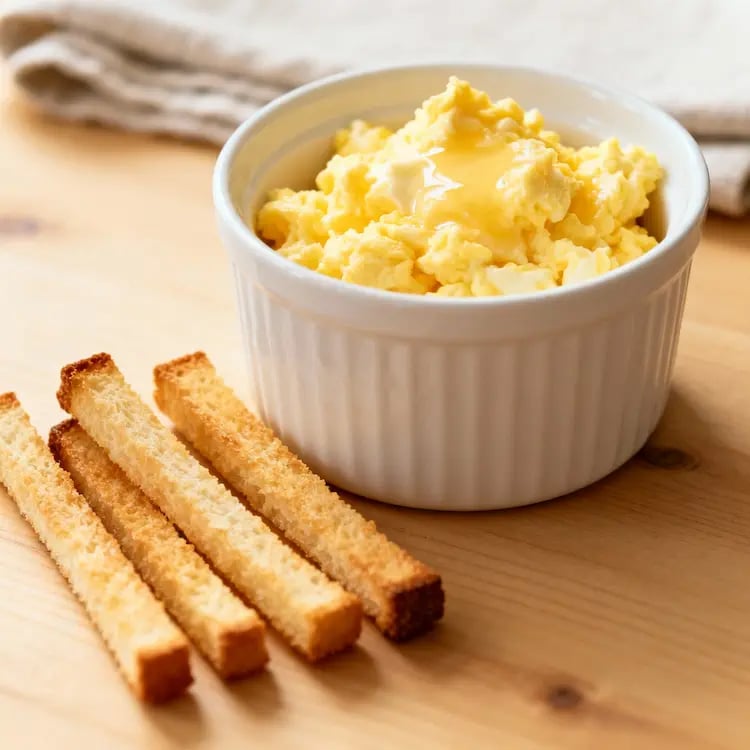
🥚 Recipe 5: Soft Scrambled Eggs with Toast Sticks
Why it works:
Soft, protein-rich, comforting, and quick.
Ingredients (serves 2)
4 eggs
3 tablespoons milk
1 tablespoon butter
4 slices toast
Salt, pepper
Optional: shredded cheese
Whisk eggs with milk.
Melt butter in a pan.
Cook gently, stirring constantly, until soft and creamy (not dry).
Toast bread and cut into sticks for dipping.
Keep the eggs slightly creamy — dry eggs are harder to swallow.
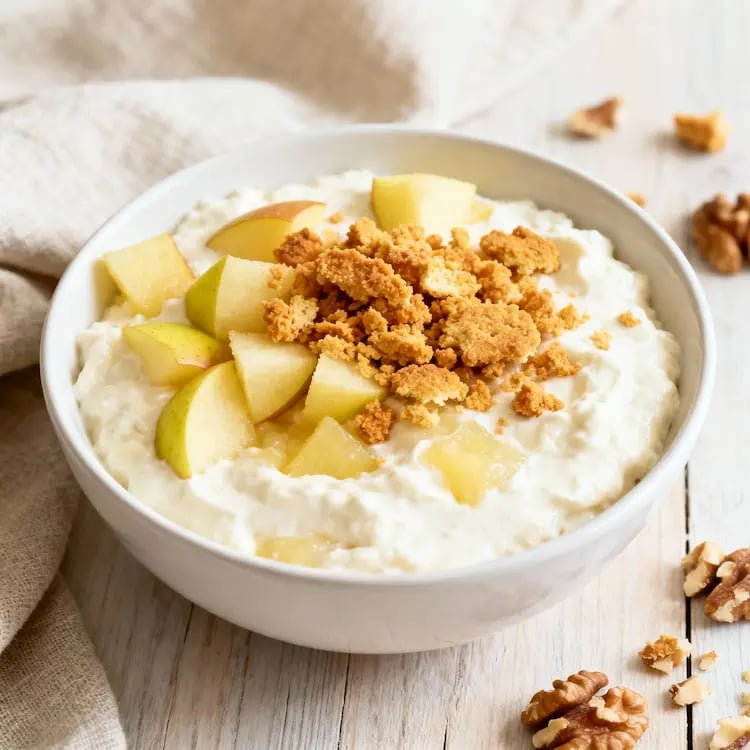
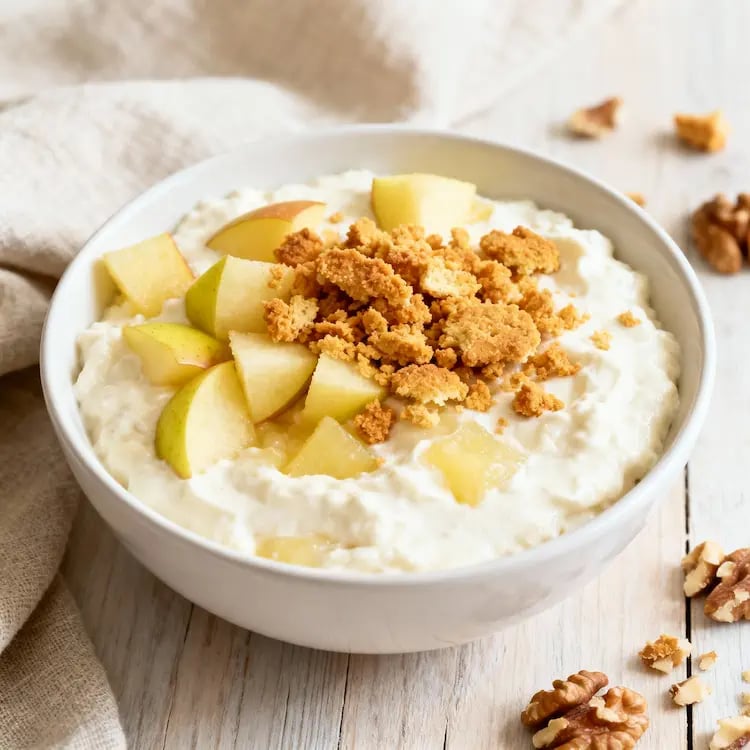
🍎 Recipe 6: Apple & Yogurt Cream with Cookie Crumbs
Why it works:
Sweet, soft, familiar — and often very well accepted.
Ingredients (serves 3)
2 cups yogurt (full-fat if weight loss is a concern)
1 cup unsweetened applesauce or stewed apples
2–3 tablespoons honey
½ cup cream (optional for extra calories)
4–6 plain cookies, crushed
Cinnamon
Mix yogurt, applesauce/stewed apples, honey, and cream.
Layer in clear glasses or a bowl
Top with cookie crumbs.
Color and layering make it more inviting.
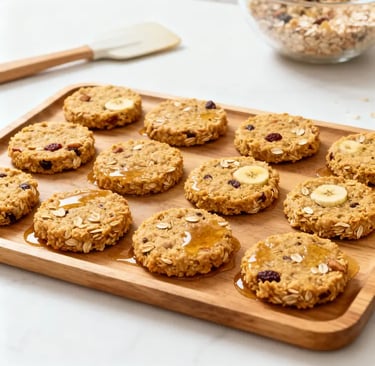
🍞 Recipe 7: Soft Oat & Banana Cookies (Snack Option)
Why they work:
Easy finger food. Soft texture. No dry crumbs.
Ingredients (makes about 12)
2 ripe bananas
1½ cups quick oats
1 egg
2 tablespoons honey
1 teaspoon cinnamon
Optional: raisins or soft chocolate chips
Mash bananas.
Mix everything together.
Let sit 10–15 minutes.
Scoop onto baking sheet.
Bake at 350°F / 180°C for 15–20 minutes.
They stay soft and store well for several days.
🛒 General Grocery Overview
You’ll mainly need:
Bananas, potatoes, carrots, zucchini
Yogurt, milk, cream cheese, eggs
Bread, oats
Applesauce, honey
Simple seasonings
Nothing complicated. Just everyday foods prepared thoughtfully.
💡 Gentle Tips for Everyday Mealtimes
When cooking:
You can halve recipes easily
Most freeze well (except smoothies)
Adjust texture as needed
When serving:
Serve at consistent times
Use the same seat and cup if possible
Smaller portions feel less overwhelming
Offer seconds instead of large plates
If food is refused:
Don’t push
Try again 30 minutes later
Offer something familiar
Stay calm — appetite can fluctuate
If weight loss becomes noticeable:
Use full-fat options
Add cream, butter, or nut butter
Offer smoothies between meals
Speak to a healthcare professional if weight drops more than 5%
Cooking for someone with dementia isn’t about perfection.
It’s about comfort, familiarity, and small moments of nourishment.
Sometimes, a soft scrambled egg or a sweet spoonful of apple cream is more than food — it’s reassurance.
I hope these recipes make daily meals feel a little lighter and more manageable. 💚